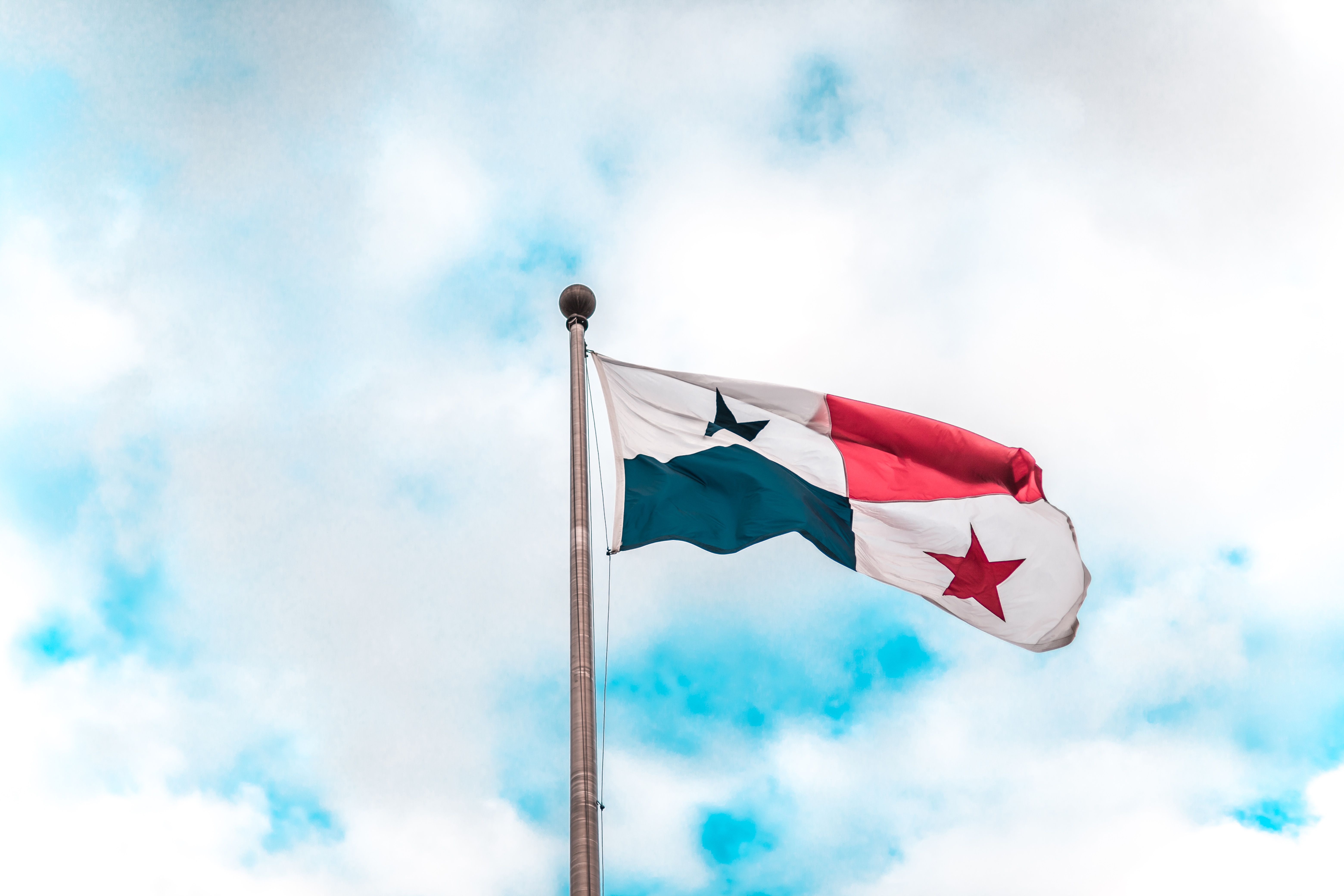
If you're a citizen of the United States, Canada, most European Union member states, or one of roughly 50 other countries with diplomatic and commercial ties to Panama, there's a residency path built specifically for you: the Friendly Nations Visa.
The Friendly Nations Visa is a Panama residency program available to citizens of approximately 50 countries with diplomatic, commercial, or economic ties to Panama. Applicants qualify through one of three routes: employment with a Panamanian company, a qualifying real estate investment, or a fixed-term bank deposit. It leads to permanent residency and, eventually, eligibility for citizenship.
It's the most widely used route to Panama residency, and for good reason: it recognizes more than one way to qualify. Depending on your situation, you can build your application around a job with a Panamanian company, a real estate investment, or a fixed-term bank deposit. That flexibility is why the program attracts remote professionals, retirees, and investors who don't fit neatly into a single category.
But "friendly nations" doesn't mean "no requirements." Since Executive Decree 226 of July 20, 2021 reformed the program, applicants need to demonstrate a genuine, documented economic or professional tie to Panama, not just a passport from an eligible country. Here's what actually qualifies today, what doesn't, and how the process works in practice.
The Friendly Nations Visa (Visa de Naciones Amigas) was originally created by Executive Decree 343 of 2012 to fast-track residency for citizens of countries Panama considers to have friendly diplomatic, commercial, and investment relations. For years, it was one of the most accessible residency-by-investment programs in Latin America.
Executive Decree 226 of July 20, 2021 reformed the program meaningfully, replacing the original framework and establishing the three qualifying paths that remain in effect today. Before this reform, simply forming a Panamanian corporation was often treated as sufficient. After it, applicants must demonstrate a real, documented economic tie, a genuine job, a genuine investment, not a structure that exists only on paper.
Yes. The program remains active and continues to be one of the most commonly used residency pathways for foreign nationals from eligible countries.
The eligible country list, exactly 50 nations under Article 2 of Executive Decree 226 of 2021, is:
Germany, Andorra, Argentina, Australia, Austria, Belgium, Brazil, Canada, Chile, Cyprus, South Korea, Costa Rica, Croatia, Denmark, Slovakia, Spain, the United States, Estonia, Finland, France, Greece, Hong Kong, Hungary, Ireland, Israel, Japan, Latvia, Liechtenstein, Lithuania, Luxembourg, Malta, Mexico, Monaco, Montenegro, Norway, New Zealand, the Netherlands, Paraguay, Peru, Poland, Portugal, the United Kingdom, the Czech Republic, San Marino, Serbia, Singapore, South Africa, Sweden, Switzerland, and Uruguay.
A notable exclusion: Italy is not on this list. Italian citizens have a separate bilateral pathway through Panama's 1966 Treaty of Friendship, which follows a different residency procedure from the Friendly Nations Visa.
Because this list is set by executive decree and can be amended, always verify current eligibility directly against Panama's National Immigration Service (Servicio Nacional de Migración) before starting an application. As of this writing, no decree has amended the list since Executive Decree 226 of 2021, but confirm this against the current decree before filing, since the list can change without notice.
There isn't one way to qualify for the Friendly Nations Visa. There are three, and choosing the right one depends on your situation.
You hold a job offer or employment contract with a Panamanian company, along with a work permit issued by Panama's Ministry of Labor. The employer must demonstrate that the position is real and that the company is operational, not a shell entity created solely to sponsor a visa.
There is no minimum investment amount tied to this path. Applicants can also qualify by operating their own company in Panama instead of working for an existing employer, but only if that company has documented, real economic substance: genuine operations, not a registration filing alone.
You purchase titled real estate in Panama with a registered value of at least USD 200,000, free of liens. This path is popular with retirees and investors who want a tangible asset alongside their residency status.
The property can be held in the applicant's personal name, through a Panamanian legal entity in which the applicant is the beneficial owner, or through a private interest foundation in which the applicant is founder and beneficiary. Legal basis: Constitución Política de la República de Panamá and Executive Decree 226 of July 20, 2021.
You place a fixed-term deposit of at least USD 200,000 with a general license bank operating in Panama. The deposit must be free of liens and held for a minimum term of three years.
As with the real estate path, this investment can be held personally by the applicant, through a legal entity in which the applicant is the beneficial owner of the shares, participations, or membership interests, or through a private interest foundation in which the applicant is founder and beneficiary. This is often the fastest path for applicants who don't want to buy property or start a business immediately.
If you already have a remote job or run a business abroad, the bank deposit path is often the most straightforward: no property search, no local operations to document. If you want a tangible asset in Panama and don't mind the process of a property purchase, real estate accomplishes the same residency outcome while building equity. If you're actively relocating for work or already have a job offer in Panama, the employment path avoids tying up USD 200,000 altogether, though it requires a genuine employer and a real position.
While specific requirements vary by path, most applications require:
The Friendly Nations Visa follows a two-stage process:
Provisional residency. Granted while your permanent application is under review, for a period of two years. This allows you to remain in Panama and begin establishing your life there.
Permanent residency. Granted once your application is fully approved after the two-year provisional period. Permanent residency under this program does not expire, though the residency card (cédula de residente) typically requires periodic renewal for identification purposes.
Yes, eventually, through a separate legal process called naturalization. The standard requirement is 5 years of continuous permanent residency before applying. That period drops to 3 years in two scenarios: if you're married to a Panamanian citizen or have Panamanian children, or if you hold citizenship from a country with a bilateral reciprocity agreement with Panama, which currently includes Spain and most Latin American countries. Naturalization itself is a discretionary government process, not an automatic entitlement once the residency period is met, and it's handled separately from the Friendly Nations Visa application.
A common point of confusion for prospective clients is how this compares to Panama's Qualified Investor Program, the pathway tied to the Special Passport under Law 493.
If you're weighing both options, the right choice usually comes down to your nationality, your investment capacity, and whether the added benefits of the Special Passport under Law 493 matter to your specific goals.
Underdocumenting the employment tie. Since the 2021 reform, immigration authorities look for genuine economic substance behind the employment path: a real job, a real employer, a real work permit, not a position created only to support the application.
Incomplete or improperly authenticated background checks. Documents from abroad often need apostille or consular authentication, a step frequently underestimated in timing.
Choosing the wrong qualifying path for your situation. Applicants sometimes pursue the real estate path when a bank deposit would have been faster to arrange, or vice versa.
Not confirming current country eligibility before starting. The friendly nations list is set by executive decree and can be amended; always verify eligibility against the current version of Executive Decree 226 of 2021 before investing time and legal fees into an application.
We work with foreign nationals across all three qualifying paths, employment, real estate, and fixed-term deposit, to structure applications correctly from the start. This includes:
How long does the Friendly Nations Visa process take?
Timelines vary based on the qualifying path and current government processing volumes.
Can I include my spouse and children in my application?
Yes, dependents (spouse and minor or dependent children) can typically be included as part of the same application process.
Do I need to live in Panama to maintain this residency?
Requirements around minimum physical presence vary and should be confirmed based on your specific path and long-term plans, especially if citizenship is a future goal.
Can I work in Panama with a Friendly Nations Visa?
The employment path directly ties to a work permit tied to your sponsoring employer. The real estate and bank deposit paths grant residency but require a separate work permit if you intend to work locally in Panama.
Is my country still on the friendly nations list?
The list is set by Executive Decree 226 of 2021 and can be amended by subsequent decrees. As of this writing it remains the same 50 countries established in 2021, but always verify current eligibility directly with legal counsel before starting an application.
What happens if my qualifying investment (property or deposit) is sold or withdrawn after I get residency?
This depends on the specific regulations tied to each path and the stage of your residency status. The bank deposit, for example, must remain in place for the full three-year term. It's a critical point to clarify before making investment decisions, since it can affect renewal or permanent status.
Is the Friendly Nations Visa the same as the Special Passport under Law 493?
No. They are separate programs. The Friendly Nations Visa is a residency pathway limited to citizens of eligible countries; the Special Passport under Law 493 is tied to the Qualified Investor Program and is open to all nationalities.
How long does it take to become a Panamanian citizen after getting this visa?
After completing the two-year provisional period and receiving permanent residency, you generally need 5 more years of continuous permanent residency before applying for naturalization, reduced to 3 years if you're married to a Panamanian citizen, have Panamanian children, or hold citizenship from Spain or most Latin American countries under bilateral reciprocity agreements.
Choosing the right qualifying path under the Friendly Nations Visa can mean the difference between a smooth approval and months of delays. If you're weighing your options between employment, real estate, or a fixed-term deposit, talk to us before you commit to a path.
Contact our immigration team at info@jj-associates.com to discuss which route fits your situation.
Considering the investor route instead? Read our guide on Residency & Citizenship Services in Panama for Entrepreneurs and Investors.
Structuring your real estate or deposit investment through a Panamanian company or foundation? Make sure that entity stays compliant with our guide to Panama's Beneficial Owner Registry.


Have a question?
Corporate Office:
Tower Financial Center, 28th Floor, Office F, Calle 50, Ciudad de Panama, Panama.Follow us